Infertility and the Desire for a Child
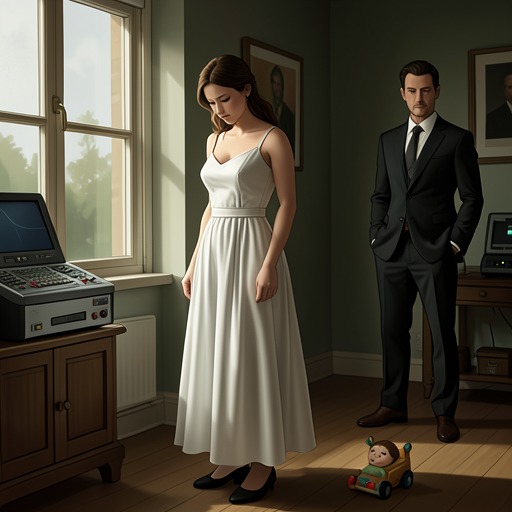
The HousemaidInfertility and the Desire for a Child is the story of Nina Winchester and Andrew Winchester’s hope for another baby and the specialist’s eventual conclusion that Nina will not become pregnant. The diagnosis turns an eagerly anticipated future into a shared loss: Andrew already loves Cecelia as his daughter, yet his wish for a larger family is unmistakable, and the unopened promise of a baby keeps appearing in plans and objects around the house.
Desire and Initial Hope
Nina first tells Millie Calloway that she and Andrew are trying for a baby. She is not pregnant, she clarifies, but says they are both eager and have an appointment with a specialist coming up. Nina expects that there may be another child in the house within a year or so. Her confidence makes the possibility sound close, even though the effort has not yet succeeded.
The hope has practical as well as emotional form. Nina and Andrew discuss turning the guest room into a nursery, and Nina has undergone fertility tests in advance of their appointment. Millie hears that Nina thinks they may pursue IVF. The expense does not seem to be an obstacle to the wealthy couple, but the preparations cannot guarantee the outcome they want. Before the appointment, their plans give the hoped-for child a place in the house before there is any certainty that a child will arrive.
The Specialist’s Answer
Andrew and Nina attend the specialist appointment after spending the week nervous and excited. Millie stays with nine-year-old Cecelia while they are away. When Andrew later speaks with Millie, he tells her that Nina is not going to get pregnant. The certainty of the answer overturns the expectation built by their tests, the anticipated discussion of IVF, and their preparations for a nursery. The evidence does not specify a medical cause; its emphasis is on the finality of the news as Andrew understands it.
Andrew says he is trying to accept the result but cannot hide his disappointment. He had always dreamed of having a child of his own, while also making clear that he loves Cecelia as his own daughter. The distinction does not cancel his bond with Cecelia; instead, it reveals that his affection for her and his wish for another child coexist. He is also thinking about Nina’s grief. He tells Millie that he needs to be strong for Nina because she is devastated, placing his own response alongside the care he feels responsible for giving his wife.
Millie is surprised that money cannot solve the problem and recognizes that the couple have already consulted a leading fertility specialist. She offers her sympathy rather than advice. Andrew then asks her to help arrange a city outing Nina has been talking about: tickets for the show Showdown, with orchestra seats. He hopes the evening will lift Nina’s spirits. Millie agrees, despite her difficult relationship with Nina, because she understands the news has hurt both of them. The request gives their grief an immediate domestic consequence: Andrew tries to care for Nina by arranging a diversion, while Millie is drawn into helping them manage the aftermath.
Andrew’s Existing Family and Unfulfilled Wish
Andrew’s longing is sharpened by the fact that he is already Cecelia’s father in every sense that matters to him. He tells Millie that he met Nina when Cecelia was a baby and is the only father she has ever known. He thinks of Cecelia as his daughter, and Millie’s respect for him rises when she understands that he married a woman who already had a child and raised that child as his own.
His tenderness toward Cecelia is not presented as a substitute for the child he hoped to have with Nina. Earlier, Andrew says he wishes they had a dozen children. After the specialist’s decision, his account of loving Cecelia sits beside his disappointment rather than resolving it. The resulting tension is central to the subject: he has a family bond he values deeply, but still grieves the future of fatherhood he imagined and will not share with Nina.
When Millie later sees how upset Andrew is, she learns that Nina is older than he is and that, early in their marriage, Nina had issues that made him uncomfortable with trying for a baby. They waited; now, as he explains it, the opportunity has passed. The account supplies a history for the timing of their attempts without explaining the medical result itself. Andrew briefly refers to having loved Nina in the past tense, catches the implication, and corrects himself. He insists that he loves her and that they have each other, yet the correction cannot make his sadness disappear.
The Baby Things and the Weight of the News
The loss becomes visible when a box of baby supplies arrives for Andrew. It contains little white blankets, rattles, dolls, and tiny white onesies. Nina had been telling people that they expected to have a baby soon, and Andrew’s mother has sent the supplies in anticipation. The gift is not cruel or unwelcome in itself; its timing makes it a painful reminder that the family’s hopeful announcement got ahead of the medical reality.
Andrew sits down and presses his fingertips to his temples. Millie understands his distress when she looks inside the box, and suggests that perhaps the doctor was wrong. Andrew does not take up that hope. He says he may put the things in the basement and give them to a neighborhood family with a baby or donate them. His proposed solution redirects the objects toward someone else’s child, but does not disguise what they mean to him now: a nursery and a baby had been imagined, and the supplies have arrived after that future has been ruled out.
Even as Andrew says that he and Nina still have each other, his expression changes when he looks back at the box. Millie reads his sadness as evidence that the inability to have another child continues to weigh on him. She feels sorry for him despite his wealth and begins to question whether Nina, with what Millie sees as her issues and volatile moods, can make him happy, or whether he remains with her out of obligation. That thought belongs to Millie’s perspective, not to a confirmed account of Andrew’s motives; the scene leaves his stated love and visible disappointment in unresolved tension.
Narrative Significance
The fertility struggle is shown through domestic expectations rather than medical exposition: the specialist’s appointment, the proposed nursery, the request for theater tickets, and the box of baby clothes. Each detail marks a different stage in the couple’s hope, from planning and anticipation to the attempt to comfort Nina and the painful arrival of supplies meant for a child who will not come. The story offers no medical explanation beyond the specialist’s conclusion, keeping attention on the emotional and relational consequences.
Millie’s role also changes the way the news reaches the reader. She is not one of the spouses, but she hears their plans, watches Cecelia, receives Andrew’s confidence, and is asked to help Nina through the disappointment. Her response shifts from surprise at the limits of the couple’s resources to sympathy for their grief. At the same time, she cannot separate that sympathy from her own strained view of Nina and her growing compassion for Andrew. Through that limited, observant perspective, the desire for a child becomes both a private loss and a pressure on the household’s relationships: Andrew’s care for Cecelia is secure, while his hoped-for future with Nina remains painfully out of reach.